656 and 868 Twin-Wire Fences for Schools and Sports
Compare 656 and 868 using the wire sequence, mesh opening and the fitted post and clamp on each offer. For a school or sports site, divide the schedule by where the fence will be used. Relia listings give 656 and 868 candidates, and the drawing identifies which thickness and hardware set each bay needs.
- Comparison input
- Paired and single wire diameters shown in a panel detail
- Site split
- Boundary, access points and replacement stock shown on distinct rows
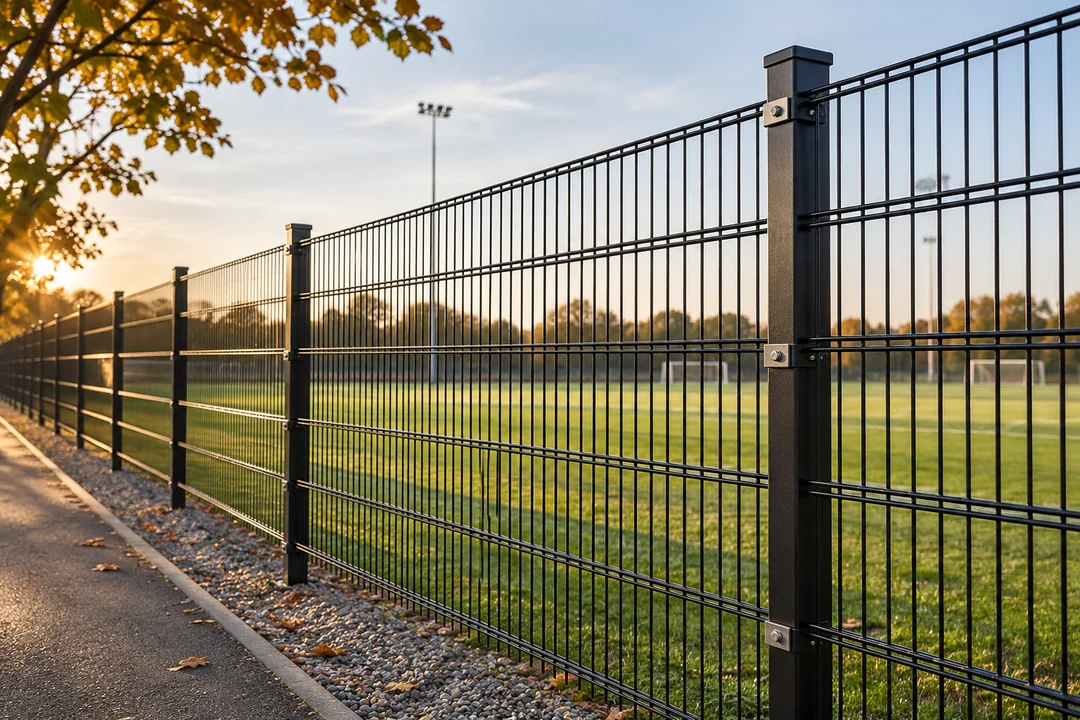
The wire sequence belongs on the drawing
Relia lists both twin-wire options, including 2.5 m panel configurations. Share the fence height and which sections will adjoin sports activity or gates. We can review the desired mesh-and-clamp combination for each section and put its spares on the same schedule. The wire sequence belongs beside the measured wire pattern on the drawing.
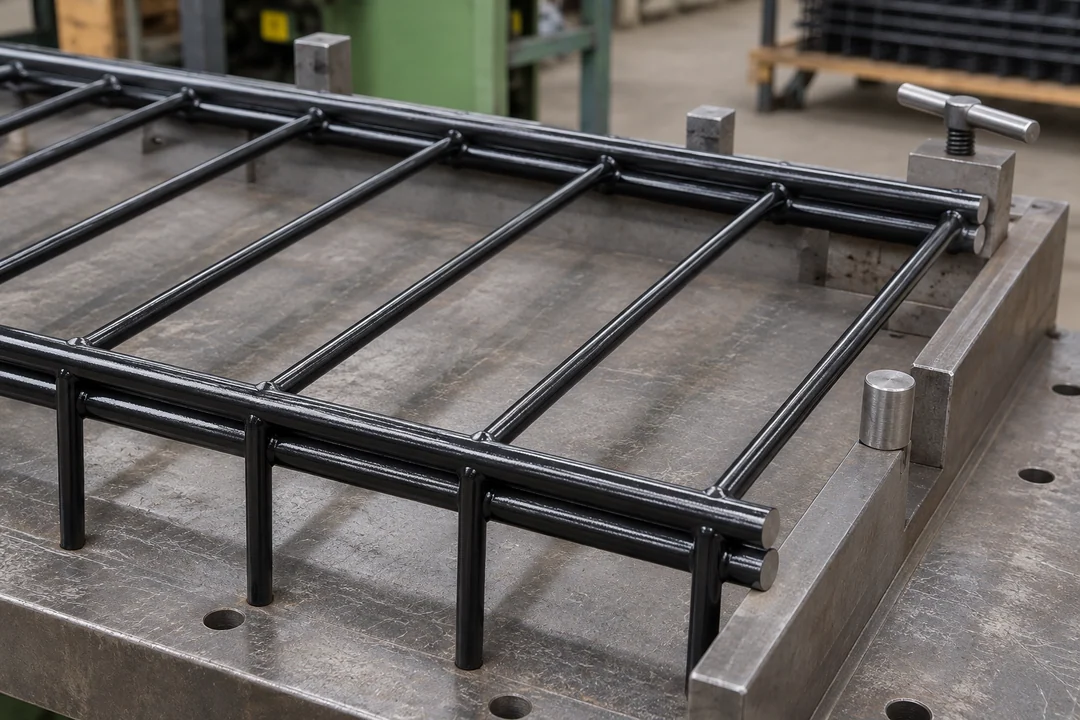
Compare the 656 and 868 wire optionsAsk for the three diameters in their stated order. One listed panel gives 50 × 200 mm and 8/6/8 mm. Check the 656 option as a separate model with its own wire data and mounting details.
- 656 build
- Compare 6/5/6 mm wires with the same panel width, opening and hardware requirements.
- 868 build
- Compare 8/6/8 mm wires as a separate line with its finished clamp and panel edge.
- Before releasing quantity
- Fit the approved clamp to the coated sample and record the fastener engagement.
Same bay, two twin-wire options
Give each candidate the same size and drawing view. Keep the wire build-up and the attachment choice visible so the difference can be reviewed against the same brief.
Compare the two wire options- 656 candidateRecord both paired horizontal wires, the single wire and the mesh opening on the quote line.
- 868 candidateUse the same dimension references, then ask for the fittings and selected coating on this option.
- Common fitted viewShow the post centre, clamp type, gap and installed height to compare a complete bay.
A fair 656 and 868 comparison
Specify the wire sequence from one horizontal wire through the vertical wire to the second horizontal wire. Ask for the same aperture, width, finish and use conditions when a buyer is evaluating two offers. Ask for the same panel height, support spacing and finish when comparing proposals for the two types.
Use the same geometry in the wire comparison. The school and park panel listing gives 6/5/6 and 8/6/8 mm options. Use the same mesh opening, width and installed height when comparing the offers. Request each matched clamp drawing so the comparison captures the interface with the selected wire build-up.
| Field | 656 starting brief | 868 starting brief |
|---|---|---|
| Wire schedule | 6 / 5 / 6 mm listed combination | 8 / 6 / 8 mm listed combination |
| Opening and width | Write the requested aperture and overall width in the line | Use the same comparison basis, including 50 × 200 mm where selected |
| Posts and clips | Attach the matching section, thickness and holes | Confirm the clip engages both horizontal rods as drawn |
| Spares | Retain the approved wire and fitting pair | Mark the fitting and panel batch to match the sample |
Specify the school or sports boundary by area
Map the viewing lines, entrances and any sections that see frequent use. We can compare candidate panels against the project drawing and the evidence your venue asks for. Mark separate facility areas when they require different heights or access widths.
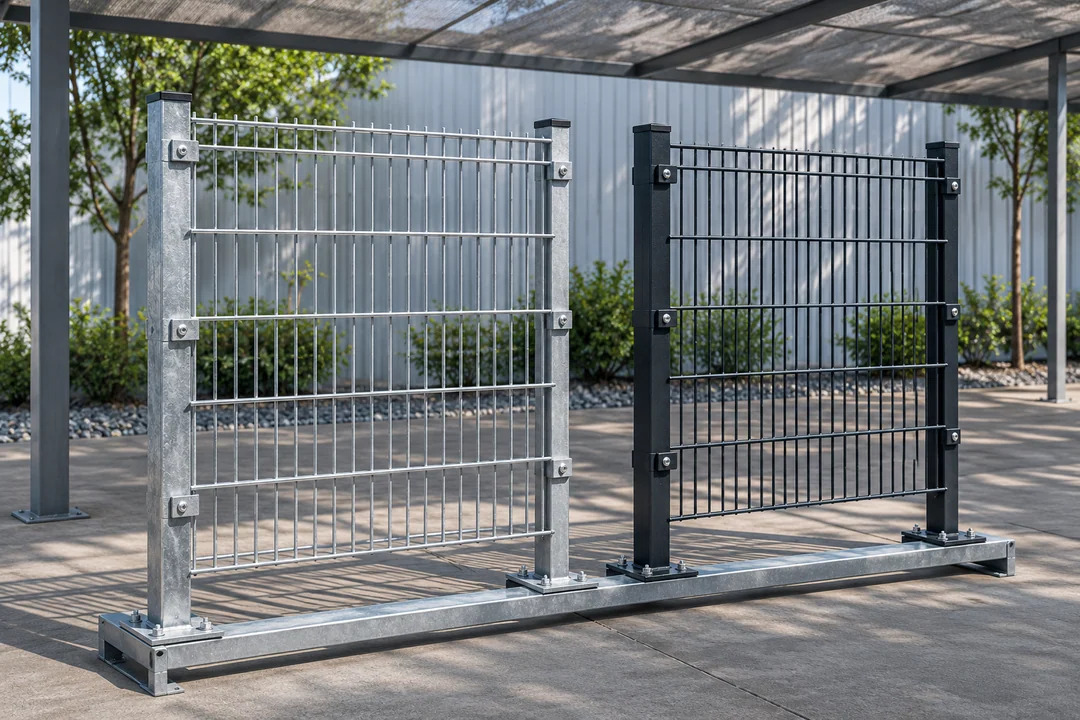
Stock the fittings against the matching panel
If you plan to carry both series, make each combination easy to recognize by the label and drawings. Put one catalogue or drawing reference on the stock fittings and the replacement panel.
- Panel lineList series, finished height, finish and quantity.
- Fitting lineList the post section and clamp reference.
- Stock lineSet the spares and packaging for that exact combination.
The post and clamp need a fitted sample
A panel dimension alone leaves room for a mismatch. Put one panel edge and post on the same drawing. A matching sample can establish the clip shape and attachment position before the batch. Check the clamp opening and seated position on the approved fitted example.
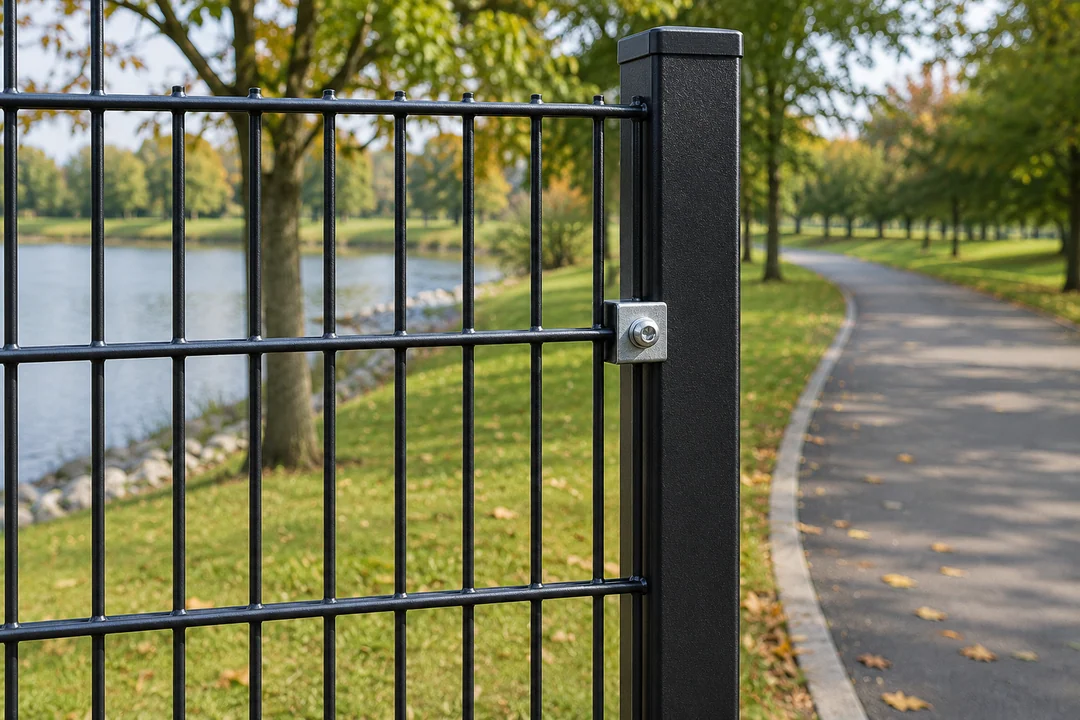
Paired-wire welding and finished clamp fit
Two horizontal wires sit on either side of each vertical. The wire sequence changes the edge your clamp has to hold, so specify the assembly before buying spare fittings. Define the agreed places to verify wire sizes, weld appearance and fit before releasing the order.
- 656 6 / 5 / 6 mm
- 868 8 / 6 / 8 mm
- Material and dimensionsChoose the horizontal and vertical sequence
Put 6/5/6 mm or 8/6/8 mm on its own quote line. Show the mesh opening and panel width alongside the three wire sizes.
- Fabrication and fitInspect both sides of a paired intersection
The two horizontal wires meet the vertical at different faces. Check their position and how the cut end meets the hardware.
- Inspection evidenceDry-fit the finished clamp and fastener
Seat a coated sample in its matching clamp. Record contact and fastener engagement before stocking spares.
Detailed checks for this order
- Identify all three wire diametersConfirm the two horizontal diameters and vertical diameter separately. Put the nominal mesh opening and its measurement basis on the same drawing.
- Inspect the paired intersectionsCheck both sides of a representative weld intersection and confirm wire position at the panel edge. Agree the weld inspection requirement for the quoted model and request the appropriate sample record.
- Test the clamp after coatingSeat the finished panel in the chosen hardware. Compare contact at both paired wires, the fastener engagement and any clearance needed around the panel edge.
Two catalogue entries with configuration options
Choose one wire sequence, aperture and finish on the quote. The catalogue descriptions show multiple combinations. Use a drawing and required evidence to decide which specific combination meets your sports perimeter or stock order. Resolve any flexible product-listing options in the actual quote schedule.
- Details in the description
- 2.5 m reference panel, with 8/6/8 and 6/5/6 mm wire and 50 × 200, 60 × 200 and 75 × 150 mm openings in the specification
- Confirm before order
- The actual combinations offered, installed centres and post/clamp drawing
School and park twin-wire fence
- Details in the description
- 2.5 m panel reference, square or rectangular support options and 2.1–4 m post heights listed
- Confirm before order
- Panel height versus post length, fittings and selected coating
ASTM architectural metal fence standards
Browse related products · Double-Wire Mesh Fencing
Other public and commercial fence options
A park walkway may call for a rolled edge. If you have an exposed site, compare the finish of the mesh and hardware under the same conditions. Connect to the rolled-edge or public-facility guide when an edge or access route governs the decision.
- If a sports site needs several fence typesFencing for Sports and Public FacilitiesAssign each boundary its height, openings and repair parts before selecting panels.
- If exposure differs around the school or sports groundCoating Options for Welded Mesh Fences at Coastal SitesSet the coating route separately for panels, clamps and exposed hardware.
Request separate 656 and 868 line items
Send the application areas, height and mesh requirements, wire sequence preference and post or clamp detail. Mark the quantities by zone.
- Panel
- Wire, opening and size
- Fittings
- Post section and clamp detail
- Order
- Project evidence or stock quantities
Shuyuan Road, Qingdao, Shandong, China
- [email protected]
- +1 404 203 0971
- Phone
- +86 18561762631